
-
9/25/26 Health Advisory: Increase in Pertussis
Communicable Disease and Immunization Update, Health Advisory, Notifiable Conditions, Pertussis, Provider ResourcesCurrent Situation Whatcom County Health and Community Services (WCHCS) is investigating multiple pertussis cases recently diagnosed in Whatcom County. Healthcare clinicians and providers are asked to remain alert for pertussis, consider testing and treatment when appropriate, and promptly report suspected cases to WCHCS. Reporting Suspected Cases Report suspected or confirmed pertussis cases within 24 hours:…
-

MMR Vaccine Exemption Law Change
In 2019, the Washington State Legislature passed a bill that removes the personal/philosophical exemption to the MMR vaccine requirement for schools and child cares. The new law removes the personal and philosophical option to exempt children from the MMR (measles, mumps, and rubella) vaccine required for school and child care entry. The law: Takes effect…
-

Marijuana Prevention
We work to protect the health of youth. We work with community partners to prevent youth marijuana use. Marijuana use is illegal for people under the age of 21. Why is this work important? Marijuana use puts teens at higher risk for addiction. Youth who use marijuana are more likely to fail in school. Most…
-
Needlestick Injury or Other Blood Exposure Procedures – Training Document
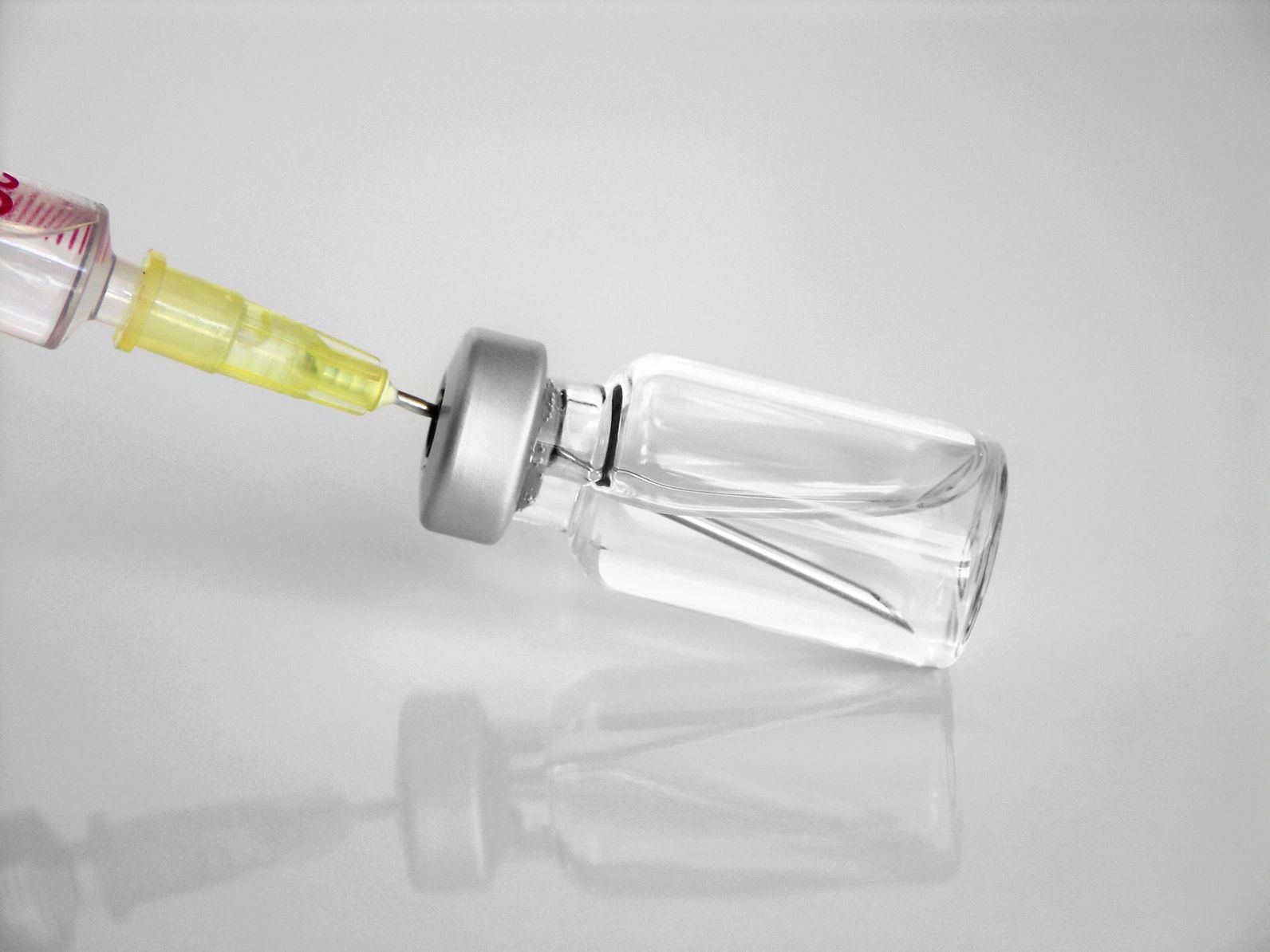
Needlestick Injury or Other Blood Exposure Procedure Purpose: Prevent transmission of bloodborne pathogens. Definition of substantial exposure to potentially infectious body fluids: Any percutaneous, mucosal, or non-intact skin contact with the blood or other potentially infectious bodily fluids of another person. In some instances, the Health Department may consider gross exposure of intact skin to…
-

Sexually Transmitted Diseases (STD) Treatment Guidelines: Key Updates
Treatment of Uncomplicated Gonococcal Infections of the Cervix, Urethra, Pharynx, and Rectum Recommended treatment regimen is dual therapy with Ceftriaxone 250 mg IM in a single dose plus Azithromycin 1 gm p.o. in a single dose. Doxycycline is no longer recommended for use in conjunction with Ceftriaxone to treat gonorrhea. If Ceftriaxone is not available,…
-
West Nile Virus
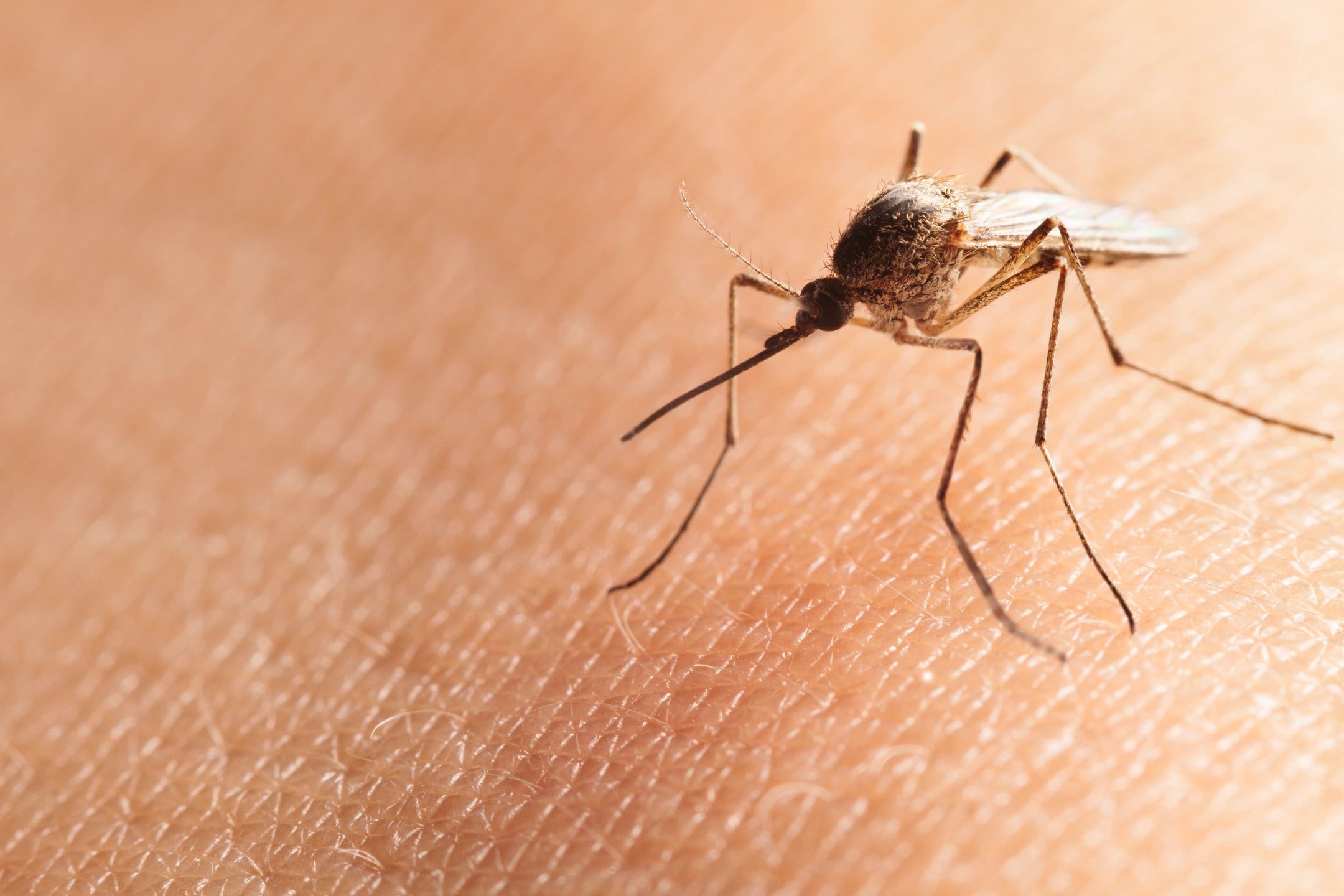
Background and Epidemiology WNV infection first became a public health problem in the United States in the late 1990s. WNV is a mosquito-borne flavivirus in the same family as yellow fever, dengue fever and St. Louis encephalitis. In rare situations, blood transfusion, organ transplant, transplacental, breastfeeding and percutaneous injury of laboratory workers can transmit the…
-
MRSA Resources for Schools
What is MRSA? Methicillin-resistant Staphylococcus aureus (MRSA) is a type of bacteria resistant to many forms of antibiotics. Many people carry it in their nose or on their skin. Most infections affect the skin, but MRSA can also infect other organs. Without treatment, infections can be life threatening, causing severe complications like sepsis or endocarditis.…
-

-

Flu Symptoms Checklist
Should my child stay home from school? ☐ Yes ☐ No Does your child have a sore throat, bad cough or runny nose? ☐ Yes ☐ No Does your child have body aches and chills? ☐ Yes ☐ No Does your child have a fever of 100°F or higher? If no thermometer, does your…
-

School Opiate Overdose Resources
Schools can prepare for opiate overdose. About 2,500 Washington State 12th graders had tried heroin at least once and even more (about 3,500 ) use pain killers to get high in any given month. Almost one in 10 teens believe prescription drug misuse carries little to no risk. –2018 Health Youth Survey If a student…
-

Opiate Overdose Resources
Schools can prepare for opiate overdose. “In 2016, about 3,621 Washington State 12th graders had tried heroin at least once and even more (about 4,526) use pain killers to get high in any given month.” If a student overdoses, a medication called naloxone could save their life. To prevent and prepare for opiate overdose, schools…
-

Provider Training Opportunities
These webinars include information for healthcare providers on HPV vaccination. Details and registration are available below. Getting Parents to “Yes!” One-hour recorded webinar by #PreteenVaxScene Webinar #11 NIAM Edition: Vaccine Conversations That Work for Providers & Parents Dr. Sharon Humiston, Academic Pediatric Associations; Dr. Nathan Boonstra, pediatrician; Dr. Margot Savoy, family physician You Are the…
-

Fentanyl Safety Recommendations for First Responders
You can protect yourself from fentanyl exposure. The abuse of drugs containing fentanyl is killing Americans. First responders are likely to encounter fentanyl when responding to overdose calls, conducting traffic stops, arrests and searches. Inhalation of airborne powder is harmful. Wear gloves when you suspect the presence of fentanyl. Print Standard Size Print Poster