
-
8/3/26 Measles Readiness in Healthcare Facilities
Advisory or Update, Communicable Disease and Immunization Update, Measles, News and Update, Notifiable Conditions, Prevention, Provider ResourcesAs of July 27th, the U.S. has reported 2,318 confirmed measles cases – the highest number in 35 years. In light of ongoing measles activity and the risk of healthcare-associated exposures, Whatcom County Health and Community Service (WCHCS) is encouraging all healthcare facilities in our jurisdiction to review and strengthen their measles preparedness plans. WCHCS…
-

Free Immunization E-Course
There Never Was an Age of Reason: Vaccines, Vaccine Hesitancy and Vaccine Decision Making This e-course offers continuing education credits, is hosted by WithinReach and funded by Kaiser WA. Click here to register Objectives Describe the impact of modern vaccines on individual & public health. Identify factors other than hesitancy that contribute to under-immunization. Discuss…
-

MERS-CoV
In September 2012, the Saudi Arabia Ministry of Health announced a new form of coronavirus, since named Middle East Respiratory Syndrome Coronavirus (MERS-CoV). So far all cases have been linked (by residence or travel) to countries in or near the Arabian Peninsula: Bahrain; Iraq; Iran; Israel, the West Bank and Gaza; Jordan; Kuwait; Lebanon; Oman;…
-
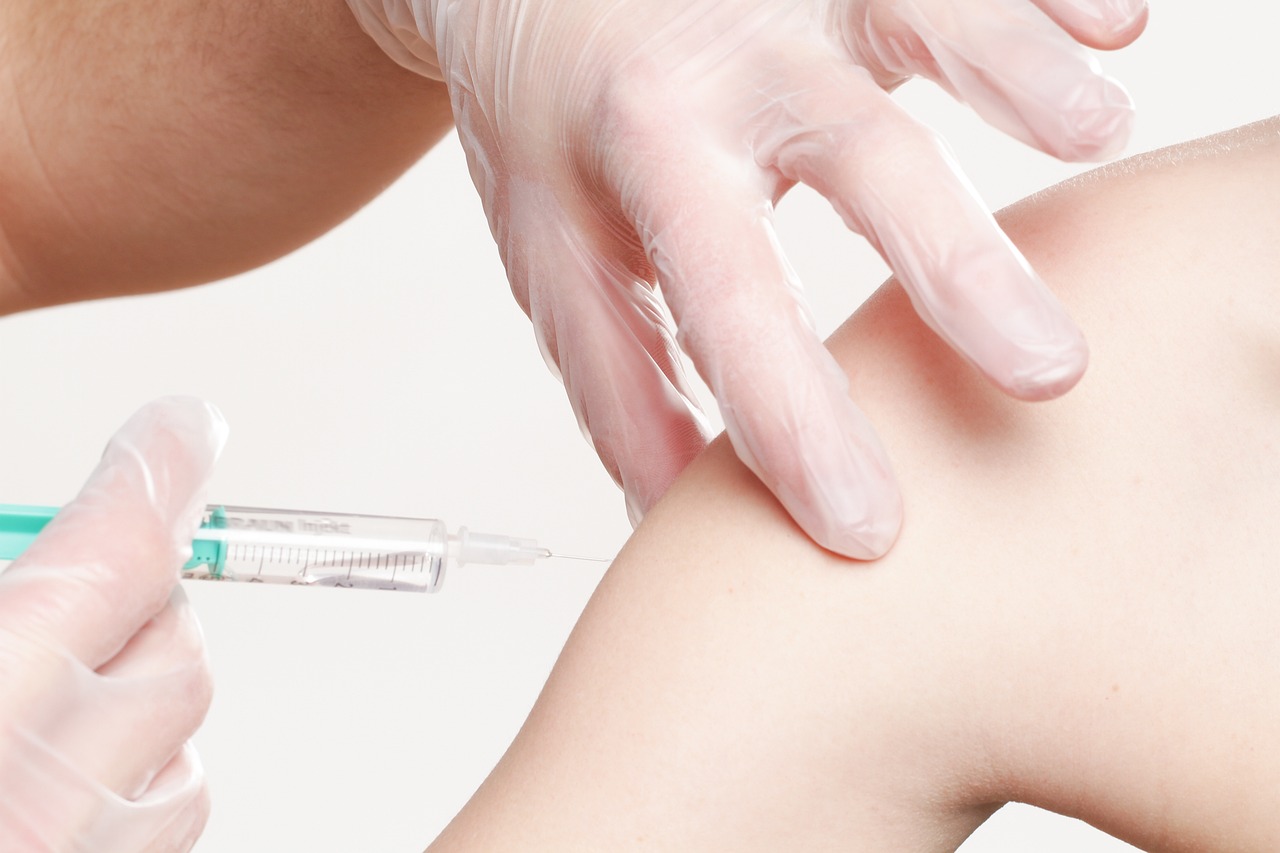
Hepatitis A Fact Sheet
Overview Transmission: Fecal-oral. Incubation Period: Average 28-30 days (range 15-50 days). Symptoms: Anorexia, vomiting, abdominal pain, fatigue, followed by jaundice. Severity of illness increases with age. Infectious Period: 14 days prior to onset of jaundice to seven days after onset of jaundice. Infants can excrete virus in the stool for longer periods of time. Epidemiology:…
-

Lice in Schools
What procedures should our school follow if a student has head lice? Head lice are tiny parasites that can live on the human head. They survive by sucking blood from the scalp. Lice eggs (called “nits”) can attach to strands of head hair. Lice can cause the head to itch, but have not been proven…
-

Lice in Schools
What procedures should our school follow if a student has head lice? Head lice are tiny parasites that can live on the human head. They survive by sucking blood from the scalp. Lice eggs (called “nits”) can attach to strands of head hair. Lice can cause the head to itch, but have not been proven…
-

Health Advisory: Measles Outbreak in Minneapolis
Actions Requested Be aware of an expanding outbreak of measles in Minneapolis, MN. Advise patients planning travel of increased measles activity and ensure they are adequately immunized. When evaluating febrile rash illness, ask about out-of-state and out-of-country travel within the last 21 days. Background A measles outbreak is occurring in the Minneapolis, Minnesota metropolitan area.…
-

Meningococcal Disease Fact Sheet
Meningococcal disease is a sudden, severe illness caused by the bacterium Neisseria meningitidis. The disease manifests most commonly as meningitis and/or meningococcemia, but may also cause pneumonia, arthritis or pericarditis. The symptoms include sudden high fever, chills, severe headache, stiff neck and back, nausea, vomiting, purpural rash, decreased level of consciousness, difficulty breathing and seizures.…
-

“What is Public Health?” from American Public Health Association
Learn why public health is essential in American Public Health Association’s “What Is Public Health?” article. Read article
-

Adult Syphilis Treatment Guidelines
This article is excerpted from CDC’s 2015 STD Treatment Guidelines. The preferred drug for all stages of syphilis treatment is Penicillin G administered parenterally. Preparation, dosage, and length of treatment depend on the stage and clinical manifestations of the disease. Selection of the appropriate penicillin preparation is important. T. pallidum can reside in sequestered sites…
-
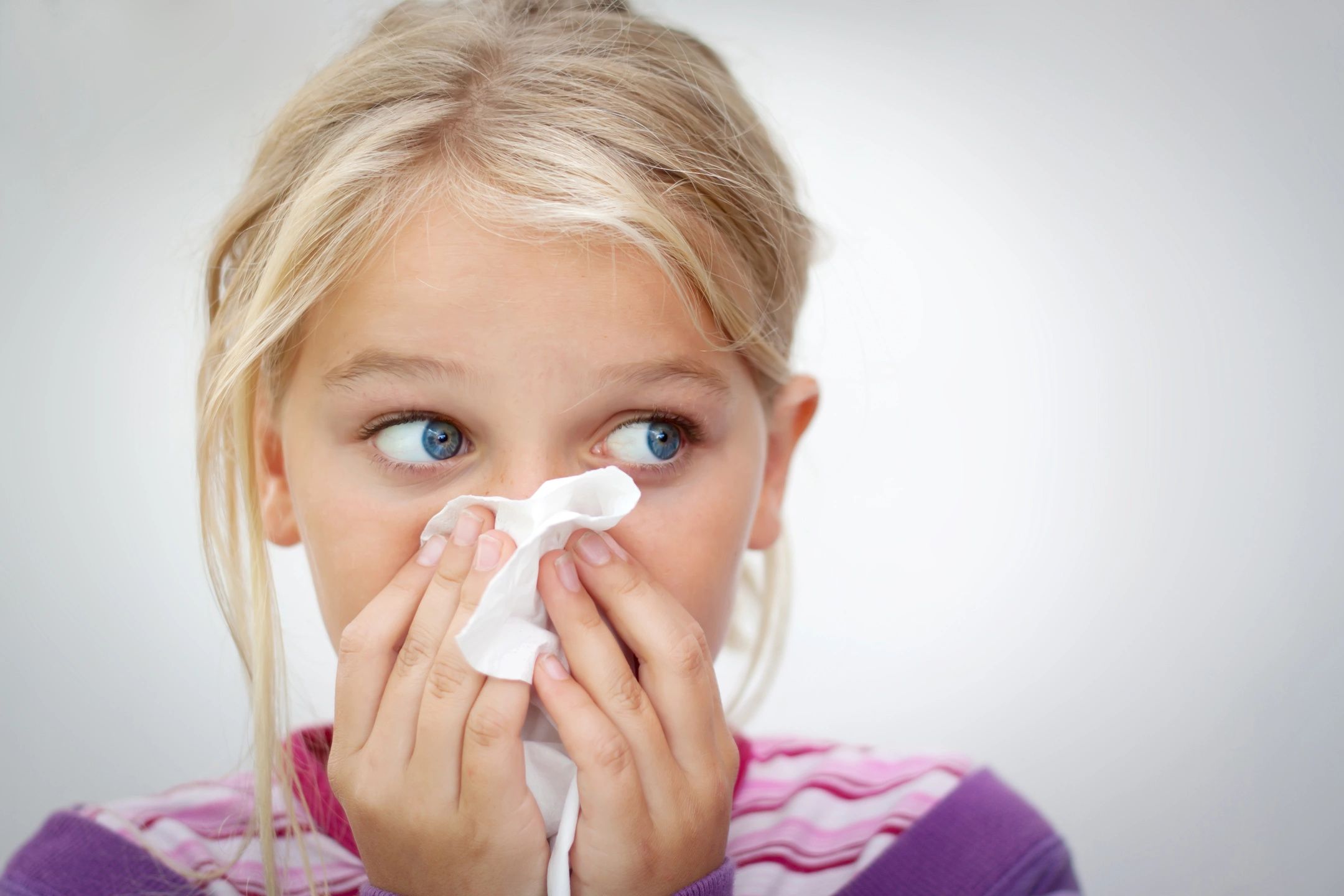
Flu Patient Information
Worried about the flu? Influenza is widespread and at epidemic levels. The best way to protect yourself and your family is still getting a flu vaccine. Frequent hand washing and avoiding others who are sick also helps. Flu vaccines can take up to two weeks to take effect. What if, despite your best efforts, you…
-

Tuberculosis Testing
Always ask the 3 Questions, and consider testing: Were you born or have spent time in a high-endemic country for TB? Immunosuppression? (Current or planned) Previous close contact to a person with TB disease? Person traveling in TB endemic areas. Migrant workers. Person experiencing homelessness. Contact to a tuberculosis case. Foreign-born person from tuberculosis-endemic area.…
-
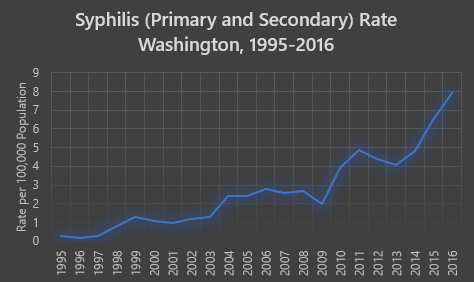
Health Advisory: Syphilis Increase and Prevention of Congenital Syphilis
Requested Actions Test all pregnant women for syphilis at the first prenatal encounter. Repeat syphilis testing during the third trimester among women at risk for STD (e.g., recent history of bacterial STD, multiple partners, homelessness; methamphetamine, opioid, or cocaine use; exchanging sex for money, drugs, etc.; having a sex partner who is a man who…